



This is the intro heading
Here's the secondary heading to get a look at it.
Health systems innovate with articial intelligence (AI) across clinical and operational processes to improve patient care quality and access as well as hospital reputation, revenue and protability. AI-based imaging technology is helping clinicians detect previously imperceptible conditions. AI combined with Internet of Things (IoT) is enabling remote health monitoring for improved patient outcomes at a lower cost. AI algorithms improve the subject selection for clinical trials. Besides these types of AI use cases that are taking a foothold in conjunction with ecosystem partners such as payers, life sciences firms, vendors, governmental agencies and local communities, health systems are also using AI extensively in internal operational processes, clinical patient care and financial improvement. Figure 1 shows multiple AI use cases that are being deployed to innovate by health systems internally as well as in conjunction with ecosystem partners. As AI innovation is ubiquitous, its adoption depends on demonstrable performance and standard of care improvements. For example, operationalization of explainable AI (XAI) at a community healthcare system reduced the emergency department (ED) congestion by 14%. The reduction in congestion resulted in a 2% revenue increase, leading to the XAI adoption.

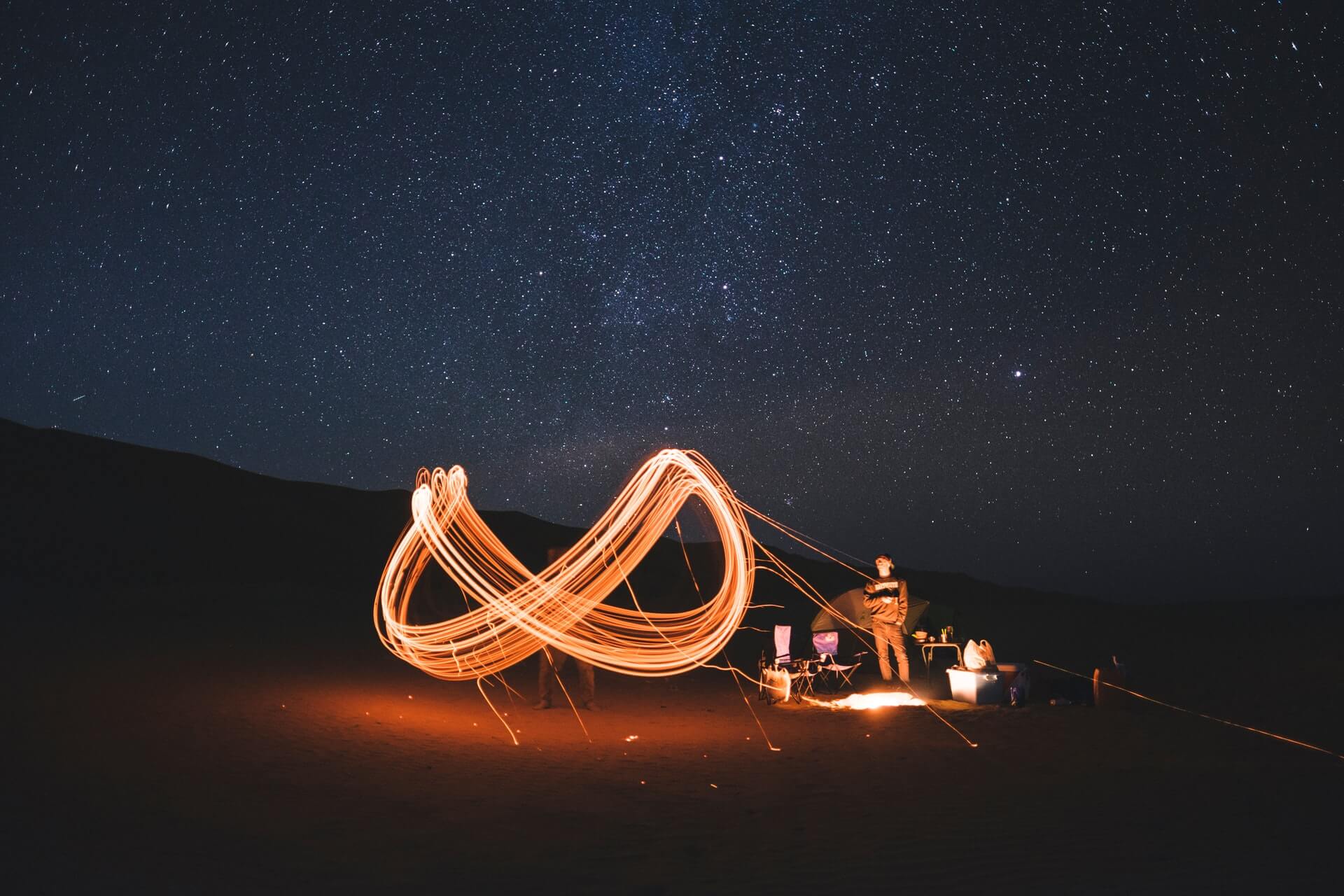


They say a healthy person has a thousand wishes but a sick person has only one wish - to get well.
The Selva, the signature cocktail at the bar of the same name, was created by Alexandra Purcaru in 2019.
Another well-adopted AI example is robotics in clinical and operational uses, for minimally invasive efficient surgeries and point-to-point delivery to reduce burden on nursing staff, respectively. Whatever the type of AI is – prediction, cognition, generative AI or optimization – if its application does not improve operational efficiency or patient care, its adoption becomes dicult and unsustainable. Even with the demonstrable (evidence-based) improvements, if the AI outcomes cannot be explained to administrators and clinicians adequately, the AI adoption falters. Besides the demonstrable and explainable performance and care improvements, patient safety is paramount. The Department of Health and Human Services (HHS) evaluates fairness, transparency/explainability, responsibility/accountability, security, privacy and robustness as they regulate areas within their statutory authority that aect AI applications. The Office of National Coordinator for Health Information Technology (ONC), an agency within HHS, issued a requirement for predictive algorithm transparency. This requirement became a criterion for Centers for Medicare & Medicaid Services (CMS) programs Jan. 1, 2025, potentially impacting health systems’ revenue. HHS strikes a balance between the regulation and AI deployment through pilot programs, standards, data access and public communications. The Food and Drug Administration (FDA), another HHS agency, regulates AI and machine learning-enabled medical devices and AI/ML in software as a medical device. FDA is continuously working on developing a life cycle-based regulatory framework for AI technologies and released an initial version stating the unique role of health systems in monitoring the ongoing and long-term safety and eectiveness of health AI outcomes. In this article, our objective is to guide readers on how to deploy AI innovation that improves operational and clinical performance as well as healthcare systems’ revenue in a safe and trustworthy manner. We draw upon our own experience of health AI deployment and adoption, U.S. governmental agencies work and our cross-industry experience of AI and model governance.
Whatever the type of AI is – prediction, cognition, generative AI or optimization – if its application does not improve operational eciency or patient care, its adoption becomes dicult and unsustainable. Even with the demonstrable (evidence-based) improvements, if the AI outcomes cannot be explained to administrators and clinicians adequately, the AI adoption falters.


The ants turn out to have been the drink's inspiration. In season in July and August, they pack a big punch, even in limited quantities. Ginger, on the other hand, is strong, so there's just a bit of that, balanced out by the minty pennyroyal. In the glass with a bit of lemon juice, the ingredients harmonize in what tasted like a delicious new kind of fruit.
"We balance the bitterness of the flying ant with the smokiness of mezcal," Lara says, pointing out that it’s a bicuishe mezcal, a favorite variety of mine, with everything rounded out by that bit of honey.
Since mezcal can vary so much from bottle to bottle, why use it in the first place? "Mezcal is because we're from here," he says, gently implying, why wouldn't you?
As intellectual and conceptual as the drinks at Selva are, this one at Criollo goes down easy. Either way, the difficult ingredients—bold botanicals, mercurial spirits, desiccated insects—are embraced, turning them into something very memorable.
“Hoja santa is not a difficult ingredient, it is just an interesting ingredient,” says Purcaru back at Selva. “It’s a question of finding the balance I'm looking for.” If she encounters a mezcal that she can't think of just the right use for, her solution is classic: She drinks it neat.
The ants turn out to have been the drink's inspiration. In season in July and August, they pack a big punch, even in limited quantities. Ginger, on the other hand, is strong, so there's just a bit of that, balanced out by the minty pennyroyal. In the glass with a bit of lemon juice, the ingredients harmonize in what tasted like a delicious new kind of fruit.
"We balance the bitterness of the flying ant with the smokiness of mezcal," Lara says, pointing out that it’s a bicuishe mezcal, a favorite variety of mine, with everything rounded out by that bit of honey.
Since mezcal can vary so much from bottle to bottle, why use it in the first place? "Mezcal is because we're from here," he says, gently implying, why wouldn't you?
As intellectual and conceptual as the drinks at Selva are, this one at Criollo goes down easy. Either way, the difficult ingredients—bold botanicals, mercurial spirits, desiccated insects—are embraced, turning them into something very memorable.
“Hoja santa is not a difficult ingredient, it is just an interesting ingredient,” says Purcaru back at Selva. “It’s a question of finding the balance I'm looking for.” If she encounters a mezcal that she can't think of just the right use for, her solution is classic: She drinks it neat.
Testing the Call to Action
This is secondary though.
The ants turn out to have been the drink's inspiration. In season in July and August, they pack a big punch, even in limited quantities. Ginger, on the other hand, is strong, so there's just a bit of that, balanced out by the minty pennyroyal. In the glass with a bit of lemon juice, the ingredients harmonize in what tasted like a delicious new kind of fruit.
"We balance the bitterness of the flying ant with the smokiness of mezcal," Lara says, pointing out that it’s a bicuishe mezcal, a favorite variety of mine, with everything rounded out by that bit of honey.
Since mezcal can vary so much from bottle to bottle, why use it in the first place? "Mezcal is because we're from here," he says, gently implying, why wouldn't you?
As intellectual and conceptual as the drinks at Selva are, this one at Criollo goes down easy. Either way, the difficult ingredients—bold botanicals, mercurial spirits, desiccated insects—are embraced, turning them into something very memorable.
“Hoja santa is not a difficult ingredient, it is just an interesting ingredient,” says Purcaru back at Selva. “It’s a question of finding the balance I'm looking for.” If she encounters a mezcal that she can't think of just the right use for, her solution is classic: She drinks it neat.
The ants turn out to have been the drink's inspiration. In season in July and August, they pack a big punch, even in limited quantities. Ginger, on the other hand, is strong, so there's just a bit of that, balanced out by the minty pennyroyal. In the glass with a bit of lemon juice, the ingredients harmonize in what tasted like a delicious new kind of fruit.
"We balance the bitterness of the flying ant with the smokiness of mezcal," Lara says, pointing out that it’s a bicuishe mezcal, a favorite variety of mine, with everything rounded out by that bit of honey.
Since mezcal can vary so much from bottle to bottle, why use it in the first place? "Mezcal is because we're from here," he says, gently implying, why wouldn't you?
As intellectual and conceptual as the drinks at Selva are, this one at Criollo goes down easy. Either way, the difficult ingredients—bold botanicals, mercurial spirits, desiccated insects—are embraced, turning them into something very memorable.
“Hoja santa is not a difficult ingredient, it is just an interesting ingredient,” says Purcaru back at Selva. “It’s a question of finding the balance I'm looking for.” If she encounters a mezcal that she can't think of just the right use for, her solution is classic: She drinks it neat.

Insightful Quote
Mind-blowing
Just testing out the quote
Elon Musk asserted last week that before any US federal employee can retire, their paper records have to be processed more than 200 feet underground in an old limestone mine located in rural Pennsylvania, which he said often takes months. “And then the speed—the limiting factor is the speed—at which the mine-shaft elevator can move determines how many people can retire from the federal government,” Musk said, standing next to a seated President Donald Trump in the Oval Office. “And the elevator breaks down sometimes, and then nobody can retire—doesn’t that sound crazy?”

The ants turn out to have been the drink's inspiration. In season in July and August, they pack a big punch, even in limited quantities. Ginger, on the other hand, is strong, so there's just a bit of that, balanced out by the minty pennyroyal. In the glass with a bit of lemon juice, the ingredients harmonize in what tasted like a delicious new kind of fruit.
"We balance the bitterness of the flying ant with the smokiness of mezcal," Lara says, pointing out that it’s a bicuishe mezcal, a favorite variety of mine, with everything rounded out by that bit of honey.
Since mezcal can vary so much from bottle to bottle, why use it in the first place? "Mezcal is because we're from here," he says, gently implying, why wouldn't you?
As intellectual and conceptual as the drinks at Selva are, this one at Criollo goes down easy. Either way, the difficult ingredients—bold botanicals, mercurial spirits, desiccated insects—are embraced, turning them into something very memorable.
“Hoja santa is not a difficult ingredient, it is just an interesting ingredient,” says Purcaru back at Selva. “It’s a question of finding the balance I'm looking for.” If she encounters a mezcal that she can't think of just the right use for, her solution is classic: She drinks it neat.
The ants turn out to have been the drink's inspiration. In season in July and August, they pack a big punch, even in limited quantities. Ginger, on the other hand, is strong, so there's just a bit of that, balanced out by the minty pennyroyal. In the glass with a bit of lemon juice, the ingredients harmonize in what tasted like a delicious new kind of fruit.
"We balance the bitterness of the flying ant with the smokiness of mezcal," Lara says, pointing out that it’s a bicuishe mezcal, a favorite variety of mine, with everything rounded out by that bit of honey.
Since mezcal can vary so much from bottle to bottle, why use it in the first place? "Mezcal is because we're from here," he says, gently implying, why wouldn't you?
As intellectual and conceptual as the drinks at Selva are, this one at Criollo goes down easy. Either way, the difficult ingredients—bold botanicals, mercurial spirits, desiccated insects—are embraced, turning them into something very memorable.
“Hoja santa is not a difficult ingredient, it is just an interesting ingredient,” says Purcaru back at Selva. “It’s a question of finding the balance I'm looking for.” If she encounters a mezcal that she can't think of just the right use for, her solution is classic: She drinks it neat.
Other articles by this author


About the author
Stephen Edwin King is an American author. Widely known for his horror novels, he has been crowned the "King of Horror". He has also explored other genres, among them suspense, crime, science-fiction, fantasy, and mystery.

